
Best Organic Soap for Daily Use: How to Choose

A soap can smell lovely in the shower and still leave your skin feeling tight by lunchtime. That is usually the moment people start looking for the best organic soap for daily use - not just something natural on the label, but something that actually feels good every single day.
Daily soap has a harder job than people give it credit for. It needs to cleanse away sweat, sunscreen, and buildup without stripping your skin or leaving it dry, itchy, or uncomfortable. If you wash your hands often, shower every day, or deal with seasonal dryness, the right soap can make your whole routine feel easier.
What makes the best organic soap for daily use?
The best organic soap for daily use is gentle first. That matters more than a trendy scent or a pretty bar design. A daily cleanser should help support your skin barrier, not constantly challenge it.
Look for formulas built around plant-based oils and butters that cleanse while helping skin stay soft. Ingredients like organic olive oil, coconut oil, shea butter, and sunflower oil are often used because they create a satisfying lather without the harsh feel many conventional cleansers can leave behind. When a soap is made with quality organic ingredients, the experience tends to feel simpler and cleaner - fresh skin, fewer irritants, and less guesswork.
That said, "organic" does not automatically mean perfect for everyone. Some natural essential oils can still be too strong for very reactive skin, and some highly cleansing oils can feel drying if the formula is not well balanced. The goal is not just natural. The goal is daily comfort.
Why conventional soaps can be tough on everyday skin
Many people switch to organic body care after noticing the same pattern over and over: wash, moisturize, still feel dry. In some cases, the problem is not your lotion. It is the cleanser.
Traditional soaps and body washes can include synthetic fragrance, harsh detergents, and other ingredients that leave skin feeling squeaky clean in a way that sounds good but often is not. That squeaky feeling usually means your skin has lost more moisture than it wanted to.
For daily use, a gentler approach usually works better. A thoughtfully made organic soap can help remove dirt and excess oil without making skin feel overwashed. That is especially helpful in colder months, during allergy season, or anytime your skin is already stressed.
How to choose based on your skin type
Finding the right soap is a little like finding the right moisturizer - it depends on what your skin needs most.
For dry or sensitive skin
Choose a soap with a shorter, simpler ingredient list and a creamy feel. Organic shea butter, avocado oil, oat-based ingredients, and olive oil are often good signs. Unscented or lightly scented options can be a smart choice if fragrance tends to bother your skin.
If your skin feels tight after cleansing, your current soap is probably too aggressive for daily use. A gentler organic formula can leave your skin feeling clean but still comfortable, which is the sweet spot.
For normal or combination skin
You have more flexibility, but balance still matters. A bar or liquid soap with nourishing oils and a moderate lather can work well for everyday showers and handwashing. This is where scent can be more of a personal preference - herbal, citrus, floral, or unscented - as long as the base formula stays gentle.
For oily or acne-prone skin
It is tempting to choose the strongest cleanser you can find, but over-cleansing can backfire. Skin that feels stripped may respond by producing even more oil. Look for organic soaps that cleanse thoroughly but do not rely on a harsh, drying finish.
Tea tree, clay, or charcoal may appeal to oily skin, but daily use depends on the rest of the formula. If those ingredients are paired with moisturizing oils, they can feel balanced. If the soap leaves your skin tight, flaky, or irritated, it may be better as an occasional treatment rather than your everyday staple.
Ingredients worth looking for
If you want a soap that fits into a healthier self-care routine, ingredient quality matters. The most reliable daily options usually focus on a small group of nourishing, recognizable ingredients instead of a long list of fillers.
Organic olive oil is known for its mild, conditioning feel. Coconut oil helps create lather and cleansing power, though too much can be drying in some formulas. Shea butter brings softness and a richer texture. Sunflower and jojoba oils can help support smoother, more comfortable skin.
Botanical additions can also be helpful when they are used thoughtfully. Calendula, chamomile, aloe, and lavender are often chosen for their soothing feel. Essential oils can give soap a fresh, uplifting scent without synthetic fragrance, but the intensity matters. A subtle scent is usually more comfortable for daily use than an overpowering one.
Ingredients to be careful with
Natural shoppers often read labels closely, and for good reason. If your goal is everyday cleansing without harsh chemicals or synthetic ingredients, there are a few things worth watching.
Heavy artificial fragrance is one of the most common troublemakers, especially for sensitive skin. Strong dyes and unnecessary fillers can also add little value to a daily cleanser. Some people also prefer to avoid sulfates in body wash formulas because they can feel more stripping.
Even in organic products, keep an eye on how your skin responds. Peppermint, citrus oils, and exfoliating additives can feel refreshing, but they may be too much for frequent use on dry or delicate skin. The best product is the one your skin likes consistently, not just the one with the most exciting label.
Bar soap or liquid soap for daily use?
Both can work well, and the better choice usually comes down to routine and preference.
Bar soap is simple, travel-friendly, and often has a shorter ingredient list. A well-made organic bar can be rich, creamy, and long-lasting. It also fits nicely into a more low-waste lifestyle, which appeals to many shoppers trying to make cleaner choices across the board.
Liquid soap can feel more convenient at the sink or in the shower, especially for families. It is often easier to dispense and may feel more familiar if you are transitioning from conventional body wash. The key is still the formula. Whether it comes in a bar or a bottle, daily soap should cleanse gently and rinse clean without leaving skin uncomfortable.
How to tell if your soap is working
Good daily soap does not need to transform your life overnight. The signs are usually subtle, and that is a good thing.
Your skin should feel clean, soft, and calm after washing. You should not feel like you need lotion immediately just to get back to normal, although moisturizing is still a healthy habit. Over time, a better cleanser can help support smoother-looking skin and fewer dry patches, especially on hands, arms, and legs.
On the other hand, if your soap leaves you itchy, flaky, red, or tight, it is not the right daily fit. That does not always mean it is a bad product. It may simply mean it is wrong for your skin type, your climate, or how often you wash.
Building a more natural daily routine
Switching soaps can be a small change that leads to bigger ones. Once people realize how much better their skin feels with a gentler cleanser, they often start rethinking the rest of their routine too - body care, shampoo, skin care, and even the home environment around their self-care rituals.
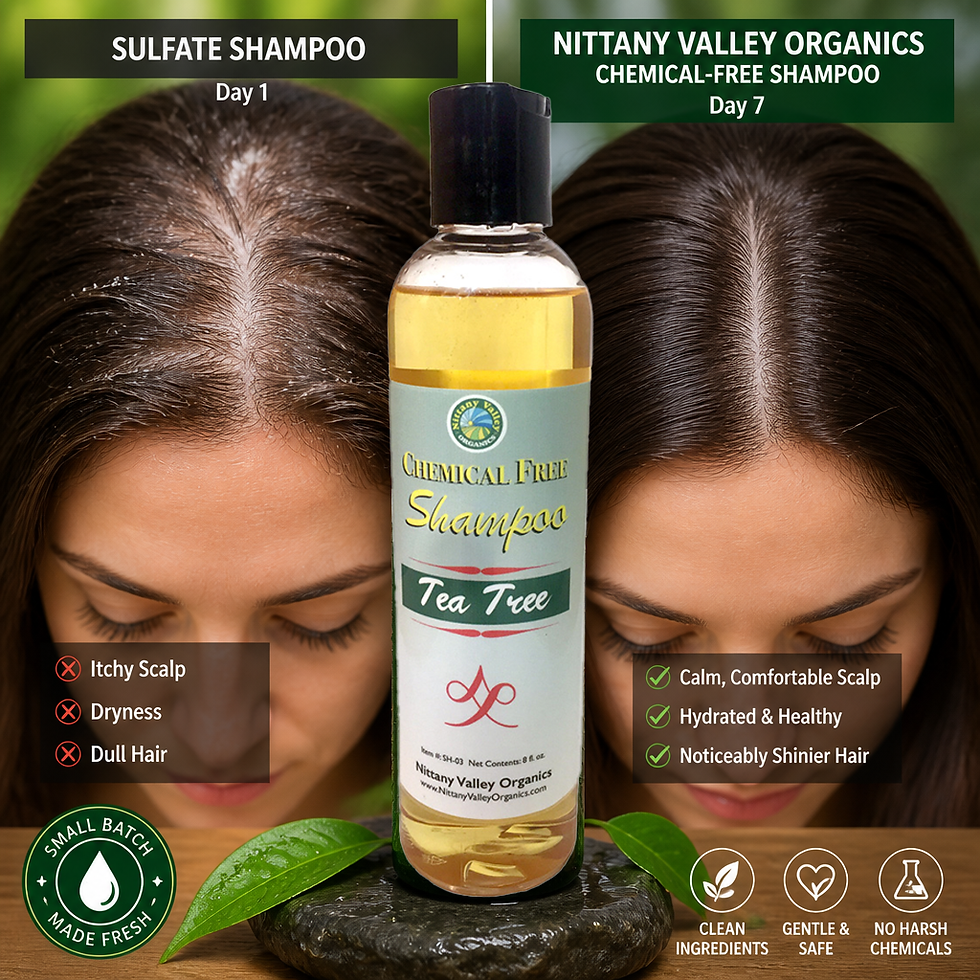
That is where a clean, organic approach becomes more than one purchase. It becomes a simpler way to care for your skin every day. Brands like Nittany Valley Organics are built around that idea, making it easier to choose products that support healthier hair and skin without harsh chemicals or synthetic ingredients.
The best organic soap for daily use is the one that makes your routine feel easy to keep. When your skin feels fresh, comfortable, and cared for after every wash, you are not just cleaning up - you are building a healthier habit that lasts.


Comments