
How to Avoid Harsh Chemicals in Skincare

If your skin feels tight after cleansing, turns red after trying a new cream, or seems to react to everything all at once, your routine may be working harder than it needs to. Learning how to avoid harsh chemicals in skincare is often less about chasing trends and more about choosing products that support your skin barrier instead of stressing it.
For many people, the problem is not one single ingredient. It is the buildup of too many strong formulas, too much fragrance, too many actives, or products designed to strip the skin until it feels squeaky clean. That clean feeling can be misleading. Healthy skin usually feels comfortable, balanced, and soft - not dry, hot, or irritated.
Why harsh skincare can backfire
A lot of conventional skincare is built around quick results. Strong exfoliants can make skin feel smoother fast. Foaming cleansers can make it feel freshly washed. Heavy synthetic fragrance can make a product seem luxurious. But faster and stronger are not always better, especially if your skin is already dry, sensitive, or easily reactive.
When products are too aggressive, they can weaken your moisture barrier. That barrier helps keep hydration in and environmental stress out. Once it is compromised, skin may start feeling rough, flaky, itchy, or unusually oily as it tries to compensate. You may even find that products you used to tolerate suddenly sting.
This is where a gentler, more natural routine can make a real difference. Choosing organic and plant-forward formulas can help simplify your regimen and reduce the overload that often leads to irritation.
How to avoid harsh chemicals in skincare without overthinking every label
Reading ingredient lists can feel intimidating at first, but you do not need to become a cosmetic chemist to make better choices. Start by noticing patterns in the products that seem to trigger dryness or sensitivity. If your skin often flares up after using heavily fragranced items, strong acne treatments, or high-foam cleansers, that is useful information.
A practical approach is to look for formulas made without synthetic fragrance, harsh sulfates, and unnecessary fillers. Some alcohols can also be drying, though it depends on the type and where they appear in the formula. Not every lab-made ingredient is automatically bad, and not every natural ingredient is automatically gentle. Essential oils, for example, can be beautiful in the right balance but may still bother very sensitive skin. The goal is not perfection. The goal is a routine your skin actually likes.
When shopping, keep your focus on a few basics. Choose a cleanser that cleans without stripping, a moisturizer that supports softness and hydration, and body care that leaves skin smooth instead of dry. If a product promises dramatic resurfacing, deep detox, or instant transformation, it may be worth pausing and asking whether your skin needs that intensity every day.
Ingredients and product types worth watching
The phrase harsh chemicals gets used broadly, but in real life, people usually mean ingredients or formulas that leave skin irritated, dry, or sensitized. Common trouble spots include strong detergents in cleansers, overpowering synthetic fragrance, and exfoliating acids used too often or layered carelessly.
Foaming face and body washes are a common example. A rich lather can feel satisfying, yet some formulas remove too much natural oil. If your skin feels stretched or uncomfortable after washing, your cleanser may be too strong. The same goes for soaps and body bars that leave hands or legs feeling chalky instead of clean.
Fragrance is another area where it depends. Some people tolerate scented products just fine, while others notice headaches, redness, or itching. If your skin is sensitive, fragrance-free or lightly scented products made with thoughtful, naturally derived ingredients can be a safer starting point.
Exfoliants deserve special attention because they are easy to overuse. A little can help brighten dull skin, but combining scrubs, acids, retinoids, and acne treatments can quickly tip your skin into irritation. If you are trying to build a cleaner routine, sometimes the best move is to scale back before adding anything new.
A gentler routine usually works better
If you want healthier hair and skin without harsh chemicals or synthetic ingredients, simplicity is your friend. A shorter routine makes it easier to notice what is helping and what is causing problems.
In the morning, that may mean a mild cleanse if needed, followed by moisturizer and sunscreen. At night, remove makeup or buildup gently, cleanse without stripping, and apply a nourishing cream or facial oil if your skin tends to run dry. For the body, use a gentle soap or wash and follow with body care that seals in moisture while skin is still slightly damp.
This kind of routine may sound basic, but basic is often what stressed skin needs. Once your barrier feels calm again, you can decide whether there is room for one targeted treatment. That could be a gentle exfoliant once or twice a week, not every night. It could be a richer moisturizer in winter, not a shelf full of overlapping products.
What to look for instead
When moving away from harsher formulas, it helps to know what to welcome in. Plant oils, botanical butters, aloe, and soothing herbal extracts can support softer, calmer skin when they are used in balanced formulations. Creams and cleansers that focus on moisture support tend to work especially well for people dealing with tightness, flaking, or seasonal sensitivity.
Organic skincare appeals to many shoppers because it aligns with a broader wellness mindset. You are not just trying to fix one patch of dry skin. You are choosing a self-care routine that feels cleaner, fresher, and easier to trust. For some people, that shift starts with facial care. For others, it begins with the products used all over the body every single day, like soap, lotion, and shampoo.
That bigger-picture approach matters. If your face care is gentle but your body wash, hand soap, and hair products are loaded with aggressive ingredients, your skin may still feel the effects. Building a more natural routine across categories often creates more consistent results.
How to avoid harsh chemicals in skincare when switching products
One common mistake is replacing everything at once. It sounds efficient, but it makes it hard to know what is working. A steadier transition usually goes better.
Start with the products you use most often or the ones most likely to cause irritation. Cleanser is a smart first swap because it touches your skin every day and sets the tone for the rest of your routine. Body care is another easy win, especially if you struggle with dryness on your arms, legs, or hands.
Next, give each new product a little time. Skin does not always respond overnight. A gentle moisturizer may need a week or two before your skin feels more comfortable and balanced. If you switch too quickly, you may miss a product that actually suits you.
Patch testing is also worth the extra minute, especially if your skin is reactive. Apply a small amount to a discreet area and watch for irritation before using it everywhere. This is particularly helpful with essential-oil blends, active treatments, or anything labeled as intensive.
Cleaner skincare is personal, not performative
There is a lot of pressure to have a perfect routine, a perfect ingredient philosophy, and a perfect bathroom shelf. Real life is less tidy than that. Maybe your skin loves a mostly natural routine with one dermatologist-recommended treatment mixed in. Maybe you are just starting with a better soap and a gentler moisturizer. That still counts.
The healthiest routine is the one you can maintain and the one your skin responds to well. If your complexion looks calmer, your body feels less dry, and your daily products no longer leave you irritated, you are moving in the right direction.
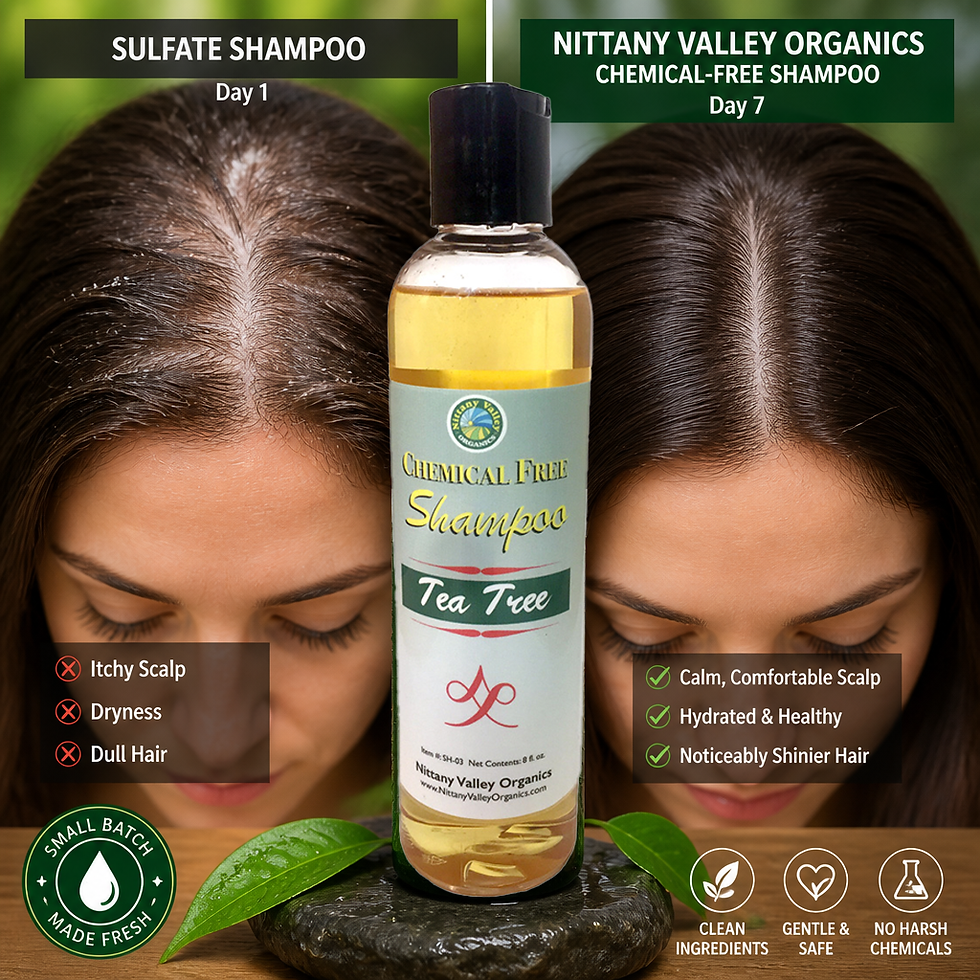
For shoppers who want a simpler path, brands like Nittany Valley Organics make it easier to build a full routine around organic personal care instead of piecing it together one product at a time. That kind of consistency can help take the guesswork out of going cleaner.
Avoiding harsh chemicals in skincare is not about fear. It is about choosing products that feel good on your skin, fit your lifestyle, and support a fresher, healthier self-care routine day after day. Start with what you use most, pay attention to how your skin feels, and let gentle become your new normal.


Comments