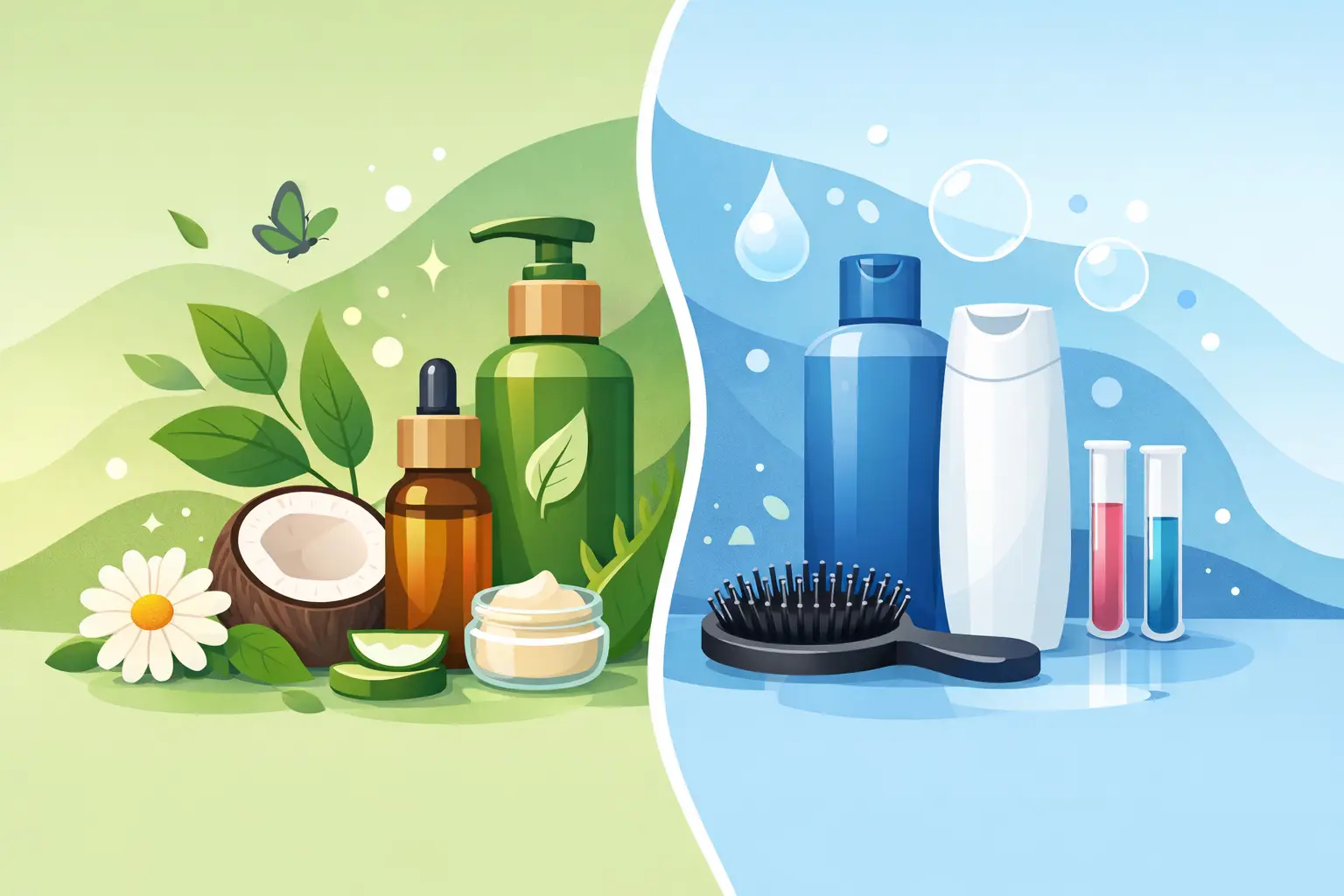
Organic Shampoo vs Regular Shampoo

If your hair feels dry by midweek, your scalp gets irritated after wash day, or your routine just feels heavier than it should, the question of organic shampoo vs regular shampoo becomes very real. This is not just about labels or trends. It is about what touches your scalp, how your hair behaves over time, and whether your daily routine supports healthier hair without harsh chemicals or synthetic ingredients.
Organic shampoo vs regular shampoo: what really changes?
The biggest difference usually comes down to formulation. Organic shampoo is typically made with more plant-based ingredients and fewer synthetic additives, while regular shampoo often relies on conventional detergents, artificial fragrance, and preservatives designed for a long shelf life and a strong cleansing effect.
That does not automatically make every organic formula perfect or every regular shampoo bad. It means the experience can be very different. Organic shampoos are often chosen by people who want a gentler wash, a more natural self-care routine, and fewer ingredients that may leave the scalp feeling stripped. Regular shampoos are often built for immediate cosmetic results like a richer lather, stronger fragrance, and that squeaky-clean finish many shoppers have been taught to associate with clean hair.
For some people, that stronger cleansing feel works fine. For others, especially those with dry hair, color-treated hair, or a sensitive scalp, it can create a cycle of over-washing, dryness, and irritation.
Ingredients are where the difference starts
When people compare shampoo options, they often notice the front label first. The more useful place to look is the ingredient list.
Organic shampoos generally lean on botanical oils, aloe, herbal extracts, and naturally derived cleansers. The goal is usually to clean the hair and scalp without overwhelming them. You may also find formulas made without sulfates, parabens, artificial fragrance, or other harsh chemicals that some shoppers are trying to avoid.
Regular shampoos often use stronger surfactants to remove oil and buildup quickly. That can be helpful if you use a lot of styling products or have an especially oily scalp. But stronger cleansing agents can also remove too much of the scalp's natural moisture, which may leave hair feeling rough, puffy, or brittle.
Fragrance is another big point of difference. In many regular shampoos, fragrance is synthetic and can be one of the more irritating parts of the formula for sensitive users. Organic shampoo options often use essential oils or lighter natural scent profiles, which can feel fresher and less overpowering. That said, even natural fragrance can bother some people, so personal sensitivity still matters.
How your scalp may respond
A healthy scalp sets the stage for healthier hair. That is one reason so many people start rethinking their shampoo once they notice itching, tightness, flakes, or redness.
Regular shampoo can sometimes make those issues worse if the formula is too aggressive for your skin. A cleanser that removes too much oil may leave the scalp dry, and a dry scalp can become irritated fast. Some people then respond by washing more often, which only keeps the cycle going.
Organic shampoo is often appealing because it aims for balance rather than deep stripping. A gentler formula may help the scalp feel calmer and more comfortable, especially if you are trying to simplify your routine. If your skin is reactive or you prefer ingredient-conscious body and hair care, the shift can feel like a natural next step.
Still, results depend on the formula and on your own scalp type. If you deal with heavy buildup, very oily roots, or frequent sweating, you may need a shampoo with more cleansing power, even if you prefer a more natural product overall. Sometimes the best choice is not the gentlest possible option. It is the one that cleans effectively without pushing your hair and scalp out of balance.
The lather question
One of the first things people notice when switching from regular shampoo to an organic one is lather. Many conventional shampoos foam quickly and generously because of sulfate-based cleansers. That foam can feel satisfying, but foam by itself does not mean better cleaning.
Organic shampoos often produce a softer, lighter lather. For first-time users, that can be surprising. Some assume it is not working because it does not create the same dramatic bubbles. In reality, a lower-foam shampoo can still remove dirt, oil, and daily buildup just fine.
The adjustment is mostly about expectation. If you have used conventional shampoo for years, organic formulas may feel different for the first couple of washes. That does not mean your hair will stay greasy or dull. It often means your routine is shifting away from the stripped-and-coated cycle many people do not realize they are in.
Hair feel and long-term results
Regular shampoo can give instant payoff. Hair may feel very clean, very light, and strongly scented right after washing. But if the formula is too harsh for your hair type, those short-term benefits can come with trade-offs. Hair may become frizzier, ends may feel drier, and the scalp may start producing more oil to compensate.
Organic shampoo tends to be more about steady improvement. Hair may feel softer, less brittle, and easier to manage over time, especially when the formula supports moisture instead of removing it too aggressively. People with curls, waves, textured hair, color-treated hair, or mature hair often notice this difference sooner because those hair types usually need more gentle care.
This is also where the rest of your routine matters. If you wash with a gentler shampoo but still use drying styling products or high heat every day, your results may be mixed. Healthier hair usually comes from the full pattern of care, not one bottle alone.
Who may prefer organic shampoo?
Organic shampoo often makes the most sense for shoppers who want a cleaner ingredient profile and a more natural approach to daily care. It can be a strong fit if your scalp is sensitive, your hair is dry or damaged, or you are trying to reduce exposure to synthetic ingredients across your routine.
It also appeals to people who see self-care as part of overall wellness. If you already choose plant-forward products for skin, body, and home, your haircare naturally becomes part of that picture. A gentler shampoo can support that fresh, simplified feeling many people want from a healthier routine.
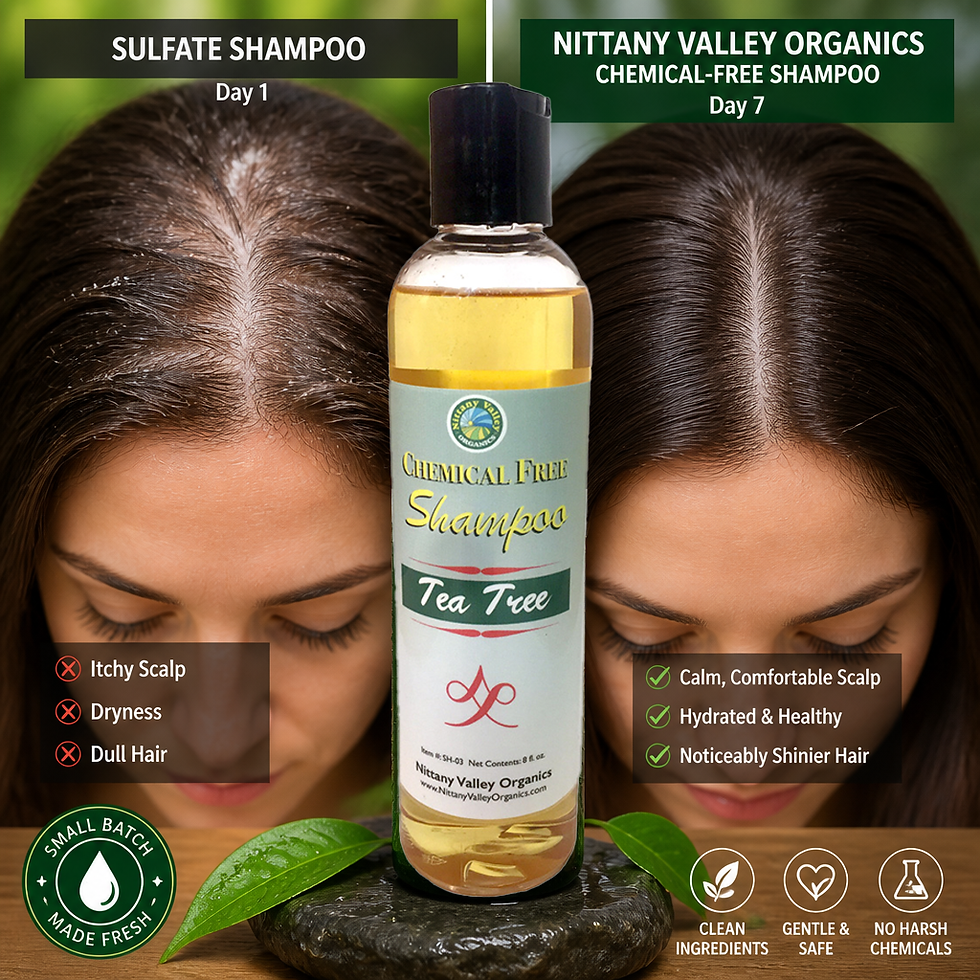
Brands like Nittany Valley Organics speak to this shift by making organic personal care feel practical and approachable, not complicated. That matters when you are trying to build habits that actually last.
Who may still choose regular shampoo?
Regular shampoo may still work well for people who need strong cleansing, love a rich lather, or have not had any negative reaction to conventional formulas. If you use heavy styling products, dry shampoo several days in a row, or work in environments where your hair gets especially dirty, a stronger shampoo might feel more effective.
There is also a budget and availability angle. Some shoppers stick with regular shampoo because it is familiar, easy to find, and often less expensive up front. That is understandable. But if a lower-cost shampoo leaves your hair dry, tangled, or dependent on more products afterward, it may not be the better value in the long run.
How to choose the right one for your routine
The better question is not which category is universally better. It is which formula fits your hair, scalp, and goals.
If you want softer hair, a calmer scalp, and a routine without harsh chemicals or synthetic ingredients, organic shampoo is often worth trying. Look for formulas that match your hair type rather than assuming all natural shampoos perform the same. A moisturizing organic shampoo may be ideal for dry hair, while a lighter botanical formula may suit fine or oily hair better.
If you are switching from regular shampoo, give your hair a little time. The first few washes may feel different, especially if your scalp is adjusting after years of stronger detergents or silicone-heavy products. Wash thoroughly, rinse well, and pay attention to how your scalp feels a few hours later and again the next day. Comfort, softness, and manageability are usually better signs than dramatic foam or fragrance.
And if you love some things about regular shampoo but want a cleaner routine, you do not have to make the change all at once. Many people start by replacing just one product, then build from there as they learn what their hair responds to best.
Choosing between organic shampoo and regular shampoo is really about deciding what kind of care you want every time you step into the shower. The best shampoo should leave your hair feeling clean, your scalp feeling comfortable, and your routine feeling a little healthier and a lot more natural.


Comments