
How to Choose Sulfate Free Shampoo

If your hair feels stripped after washing, fades quickly after color treatment, or seems caught between oily roots and dry ends, the formula in your shampoo may be part of the problem. Learning how to choose sulfate free shampoo can help you build a gentler routine that supports healthier hair, a more comfortable scalp, and a cleaner approach to everyday self-care.
Why sulfate free shampoo appeals to so many people
Sulfates are cleansing agents that create the rich lather many people associate with a deep clean. They can be effective, but they can also be too aggressive for some hair and scalp types. That is why sulfate free formulas have become a go-to choice for people who want cleansing without that tight, overly squeaky feeling.
For many shoppers, the goal is not just avoiding one ingredient. It is finding a shampoo that helps hair feel soft, balanced, and manageable without harsh chemicals or synthetic-heavy formulas. A sulfate free shampoo often fits well into a more natural routine, especially if you are trying to care for your hair in the same thoughtful way you care for your skin and body.
That said, sulfate free does not automatically mean better for everyone in every situation. Some people with very oily scalps or heavy product buildup may need stronger cleansing from time to time. The key is choosing a formula that matches your real needs rather than buying based on a label alone.
How to choose sulfate free shampoo for your hair type
The best sulfate free shampoo is the one that works with your hair’s texture, moisture level, and daily habits. Start there before you think about scent, packaging, or trends.
If your hair is dry, brittle, curly, coily, or damaged, a moisturizing formula usually makes the most sense. Look for nourishing plant oils, aloe vera, botanical extracts, and gentle cleansers that remove dirt without pulling too much moisture from the hair shaft. These formulas can help support softness and reduce that rough, parched feeling that often comes after washing.
If your hair is fine or tends to fall flat, be careful with very rich shampoos. Sulfate free formulas can sometimes be too heavy if they are packed with dense oils and butters. In that case, a lighter formula with gentle cleansing and balanced hydration is often the better pick. You want clean, refreshed hair without sacrificing volume.
If your scalp gets oily quickly, sulfate free shampoo can still work well, but it helps to manage expectations. A gentler cleanser may not give you the same immediate squeaky-clean feel as a conventional shampoo. That does not mean it is not working. It may simply be cleaning in a way that is less disruptive to your scalp. Sometimes, when the scalp is not constantly stripped, oil production starts to feel more balanced over time.
For color-treated hair, sulfate free shampoo is often a smart choice because it is usually gentler on dyed strands. While no shampoo can stop fading completely, a milder wash can help color stay fresher and hair feel less stressed.
Pay attention to your scalp, not just your strands
When people shop for shampoo, they often focus on the hair they can see and forget the scalp underneath it. But your scalp is where comfort starts. If it feels itchy, tight, flaky, or irritated after washing, that matters.
A good sulfate free shampoo should leave your scalp feeling clean and calm, not raw or overworked. If you have a sensitive scalp, look for formulas with soothing ingredients like aloe, chamomile, oat extract, or gentle botanical infusions. Avoid products that pile on strong fragrance or a long list of harsh additives, because even a sulfate free label cannot cancel out an irritating overall formula.
If you deal with flakes, it is worth figuring out whether you are dealing with dryness, product buildup, or a more persistent scalp issue. A sulfate free shampoo may help if stripping cleansers are making dryness worse, but it may not be enough on its own if your scalp needs a more targeted treatment. This is one of those cases where it depends.
Read the full ingredient list with a simple goal
You do not need to become a cosmetic chemist to shop well. The goal is simply to look past the front label and get a sense of how the product is built.
A sulfate free shampoo should use alternative cleansers that are typically milder than traditional sulfates. You may also want to see supportive ingredients that fit your goals, such as moisturizing botanicals for dry hair, balancing ingredients for oily roots, or protein-rich additions for weakened strands.
It also helps to notice what else is in the bottle. If you are trying to move toward a more natural routine, look for formulas that avoid harsh chemicals and unnecessary synthetic ingredients. A clean, thoughtful formula often does more than wash your hair. It supports the bigger picture of healthier hair and skin with less daily stress on your body care routine.
Simple formulas can be a good sign, especially if your scalp is reactive. More ingredients do not always mean better results.
Lather is not the best measure of performance
One of the biggest reasons people quit sulfate free shampoo too quickly is that it does not feel like what they are used to. Less foam can make people think their hair is not getting clean, even when it is.
Most sulfate free shampoos produce a softer, lower lather. That is normal. What matters more is how your scalp feels after rinsing and how your hair behaves once it dries. If your hair feels fresh, soft, and less frizzy, the shampoo is likely doing its job.
There can be a short adjustment period, especially if you are switching from a stronger cleanser. During that time, your hair may feel different than usual. Give it a little space before deciding it is not for you, unless your scalp becomes irritated or your hair feels consistently heavy.
Match your shampoo to your routine
The right choice also depends on how you actually live. If you use a lot of styling products, dry shampoo, or heavy oils, you may need a sulfate free shampoo with stronger cleansing power than someone with a very minimal routine. If you wash often after workouts, a gentle everyday formula may be the better fit.
Season matters too. In colder months, many people need more moisture and scalp comfort. In warmer weather, they may prefer something lighter and more refreshing. Your best shampoo does not have to be the same all year.
This is where a wellness-focused approach helps. Hair care works best when it supports your real lifestyle instead of forcing you into a one-size-fits-all routine.
Signs you found the right sulfate free shampoo
A good match usually becomes obvious within a few washes. Your scalp feels clean but comfortable. Your hair looks softer, smoother, or easier to manage. You are not fighting as much frizz, dryness, or post-wash irritation.
You may also notice subtler improvements. Ends can feel less brittle. Color may stay brighter. Curls may look more defined. Fine hair may still feel light if the formula is balanced well. The right shampoo should make your routine feel easier, not more complicated.
If your hair feels waxy, limp, overly dry, or never quite clean, the formula may not be right for you. That does not mean sulfate free shampoo is the wrong category. It may just mean you need a different texture, ingredient profile, or moisture level.
How to choose sulfate free shampoo without getting overwhelmed
The clean beauty space can get crowded fast. Labels promise hydration, shine, repair, bounce, scalp balance, and more. The easiest way to cut through the noise is to choose based on three things: your scalp condition, your hair texture, and your ingredient standards.
If a shampoo supports your hair type, feels gentle on your scalp, and aligns with your goal of avoiding harsh chemicals or synthetic ingredients, you are already on the right track. From there, you can refine your choice based on scent, seasonal needs, or how your hair responds over time.
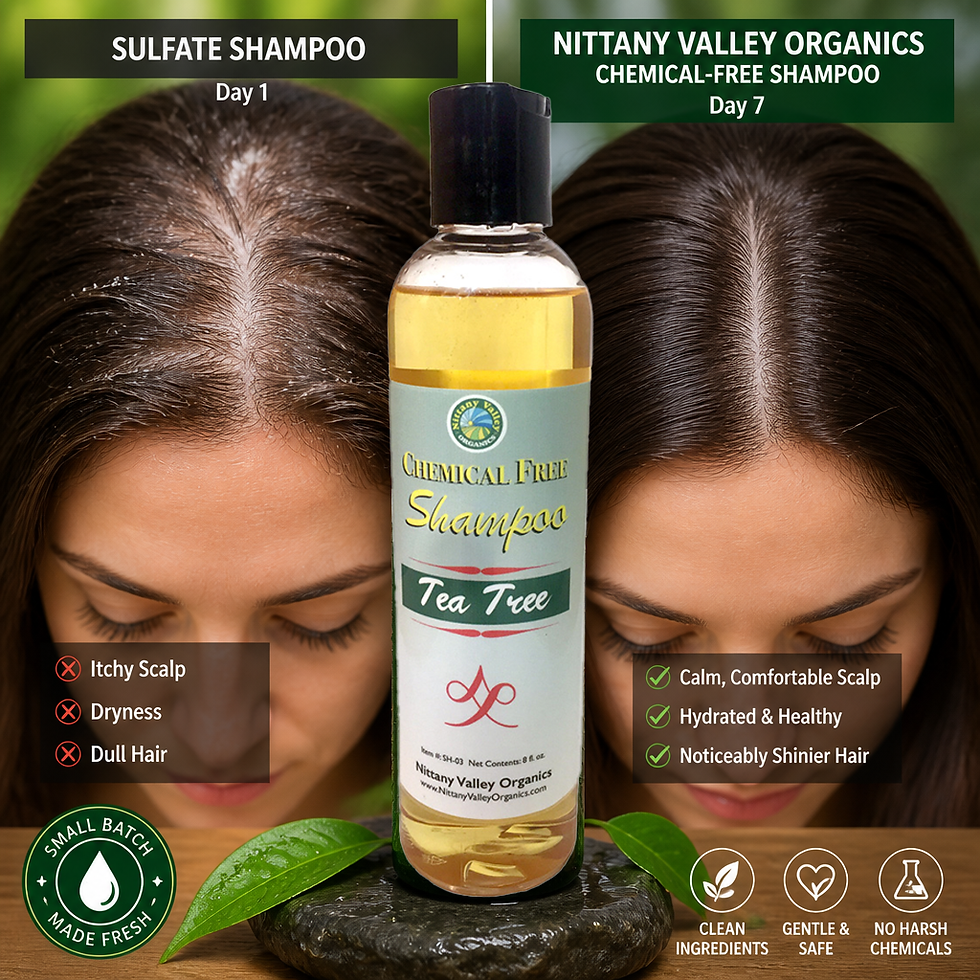
For shoppers building a more natural self-care routine, sulfate free shampoo is often a strong starting point because it is a simple swap with a noticeable payoff. Brands like Nittany Valley Organics make that transition feel more approachable by focusing on everyday products that support healthier hair and skin in a clean, uncomplicated way.
The best shampoo is not the one with the loudest claims. It is the one that leaves your hair feeling healthy, your scalp feeling calm, and your routine feeling a little more in line with the kind of care you want to give yourself every day.


Comments